_edited.png)
Laennec: The Internal Regeneration Shot You Didn’t Know You Needed

Updated: Oct 2, 2025
Inspired by Nature, Perfected by Science
Let’s Talk About Placentas (Stay With Us)
Here’s a weird-but-true biological fact: most mammals eat their placenta after giving birth. This behavior—called placentophagy—isn’t just primal, it’s smart.
Why?
Because the placenta is a regenerative goldmine. It's packed with proteins, amino acids, hormones, and bioactive molecules that help the mother:
Recover from labor
Replenish lost nutrients
Clean up the birthing space to avoid attracting predators
It’s such a natural part of mammalian behavior that humans, sea mammals, and camelids are the rare exceptions who don’t typically consume the placenta postpartum【1】.
That said, some cultures (notably in traditional Chinese and Vietnamese medicine) have practiced placental consumption, believing it could help with milk production or energy recovery after birth.
Now, don’t worry, we’re not suggesting you waltz into the labor and delivery department of your local hospital in search of a buffet-style placenta dinner.
What we are saying is that the science behind placental regeneration has sparked over a century of research into ways humans can safely benefit from its healing potential. And Laennec is one of the most refined, effective, and clinically validated results of that research.

From Primitive Instinct to Pharmaceutical Innovation
Scientific interest in placental therapies began in the early 1900s, when researchers discovered the placenta’s role in skin grafting and wound healing【2】.
By the 1930s–1980s, researchers began testing dehydrated, sterilized, and hydrolyzed forms of placental tissue, paving the way for pharmaceutical-grade extracts like Laennec, which uses both enzyme and acid hydrolysis to isolate the most bioactive fractions safely.
In modern regenerative medicine, the placenta is prized not just for its nutrient profile, but for its cellular building blocks, including:
Trophoblast cells – essential for immune signaling and tissue repair
Mesenchymal cells – stem-cell-like powerhouses that aid regeneration
Endothelial cells – which support blood vessel formation and oxygen delivery
Even the umbilical cord gets attention. It contains Wharton’s Jelly, a cushiony gel packed with fibroblasts and hyaluronic acid, yes, the same compound in your favorite filler and glow serum【3】.
Laennec’s Modern Manufacturing Edge
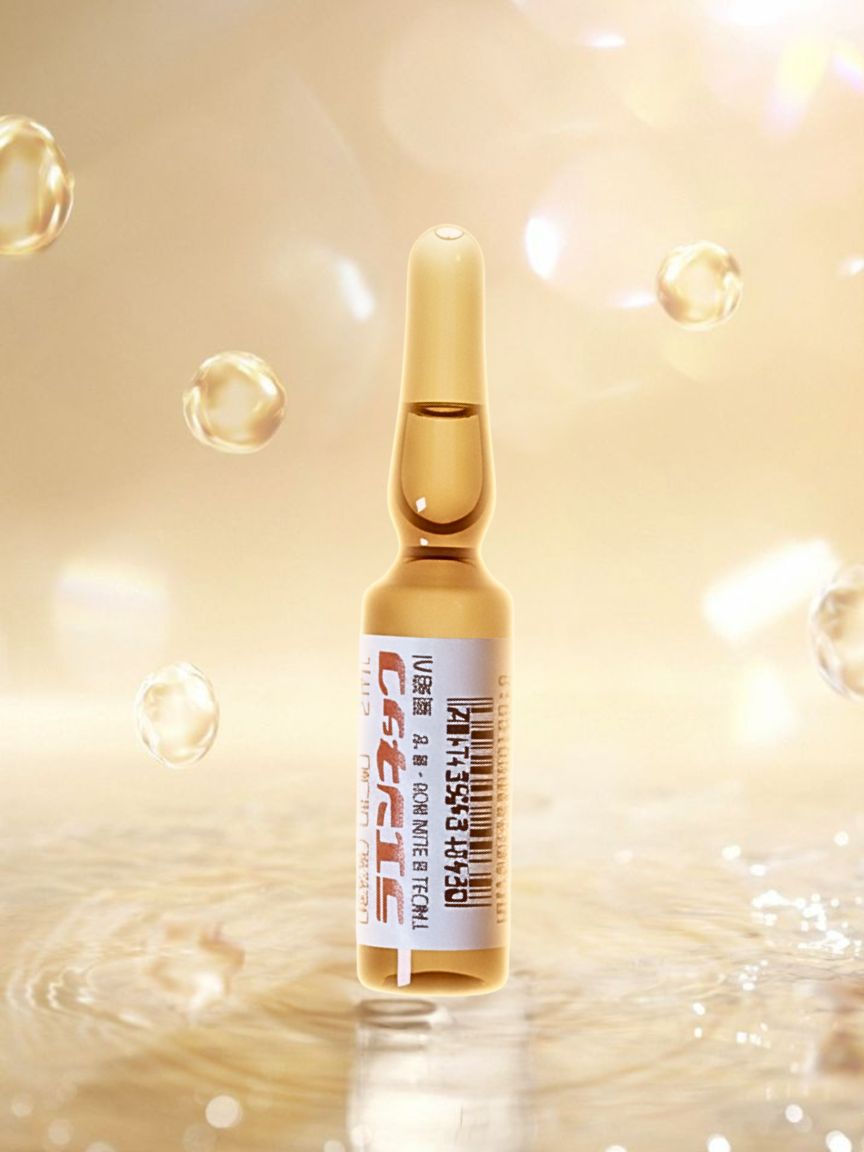
Unlike crude extracts or over-the-counter placenta serums, Laennec is:
Clinically approved in Japan for injection
Derived from ethically sourced human placentas + umbilical cords
Manufactured using a dual hydrolysis process (enzyme + mild acid) to protect fragile proteins
Undergoes multi-stage viral screening, heat sterilization, and pharmaceutical-grade ampouling
Contains no preservatives or additives
In contrast, newer European processing techniques (e.g., Stellar Biomolecular’s EUF nano-filtrates) now use cold enzymatic digestion + ultra-filtration to preserve bioactivity under 10kDa for high absorption【4】a step that aligns with Laennec’s own molecular optimization.
The Cellular Mechanism of Action
So how does it actually work once injected?
Placental extracts like Laennec are rich in:
PDRN (polydeoxyribonucleotide): DNA fragments that activate wound healing
Peptides, amino acids, nucleic acids
Growth factors (EGF, IGF-1, FGF, HGF, VEGF)
Cytokines and interleukins
Hormone precursors like DHEA-S and estradiol
According to this study in OAText Journals, once injected, these molecules:
Bind to specific cell surface receptors on damaged or inactive tissues
Trigger fibroblast activity, stimulating collagen, elastin, and extracellular matrix production
Modulate immune responses and decrease inflammation
Promote angiogenesis (new blood vessel formation) and tissue regeneration【5】
In skin terms? That means more glow, faster healing, and better resilience.
Laennec in Aesthetic and Functional Practice
You won’t find Laennec on a spa menu. This is a clinical injection, used in top regenerative clinics for:
Skin Regeneration
Post-procedure healing, dermal rejuvenation, and long-term anti-aging support
Liver Detox & Hormonal Balance
Supports estrogen clearance, hepatic repair, and DHEA-S restoration
Chronic Fatigue & Burnout
Improves nutrient status, mitochondrial signaling, and immune balance
Immune Support & Inflammation Reduction
Modulates cytokines like IL-1β, IL-6, TNF-α
What the Studies Say
Liver repair: Laennec improves enzyme markers and inflammation in chronic hepatitis【6】
Post-laser recovery: Enhances healing and reduces redness following ablative treatments【7】
Cytokine modulation: Balances key inflammatory signals linked to autoimmune skin flares【8】
Fatigue recovery: Supports adrenal function and energy levels in stressed individuals【9】
How We Use Laennec at Skin Reset Lab
We offer three signature protocols tailored to your needs:
Vital Reset IM Shot
Full-body support for energy, liver health, and recovery
• 1–2x/week for 4–6 weeks
• Optional pairing with B-complex or Glutathione
The Regeneration Boost
Post-procedure injectable to speed healing and boost collagen
• Single IM injection
• Perfect after microneedling, peels, or laser
Energy Edit Series
For hormonal burnout, chronic stress, and internal glow
• 2x/week IM shots for 3 weeks
• Optional pairing with adaptogens, DHEA patch, or infrared
The Bottom Line: Is Laennec Right for You?
Laennec is for the client who:
Wants faster healing after aesthetic treatments
Struggles with energy dips, inflammation, or hormonal stagnation
Values science-based therapies with a long-standing clinical track record
Is exploring regenerative medicine as part of their wellness journey
And for us? It's about offering tools that work with the body, not against it. We’re not here to sell magic potions, we’re here to give you access to next-generation functional injectables with real science, real structure, and real results.
Ready to glow from the inside?
References
Kristal, M. B. “The Evolutionary Biology of Placentophagia.” Neuroscience & Biobehavioral Reviews (2012).
Tighe, S. et al. “Amniotic Membrane: From Structure and Function to Clinical Application.” Cell and Tissue Research (2013).
Mallick, J. et al. “Wharton's Jelly Mesenchymal Stem Cells: Applications in Regenerative Medicine.” Journal of Cell Physiology (2020).
Stellar Biomolecular Innovations. “Eco-Ultra-Filtration Technology.” www.stellarbiomolecular.com
OAText Journals, “Placental Therapy: An Insight into Their Biological and Therapeutic Properties” (2018).
Park SH, et al. “Therapeutic Use of Human Placenta Hydrolysate in Liver Disorders.” Liver International (2015).
Choi SW, et al. “Placental Injection Enhances Microneedling Recovery.” Lasers in Surgery and Medicine (2019).
Yamada K, et al. “Modulation of Cytokines in Skin with Placenta Extracts.” Biological & Pharmaceutical Bulletin (2017).
Tanaka M, et al. “Effects of Laennec on Fatigue and Hormonal Imbalance.” Japanese Society of Internal Medicine (2018).
Comments